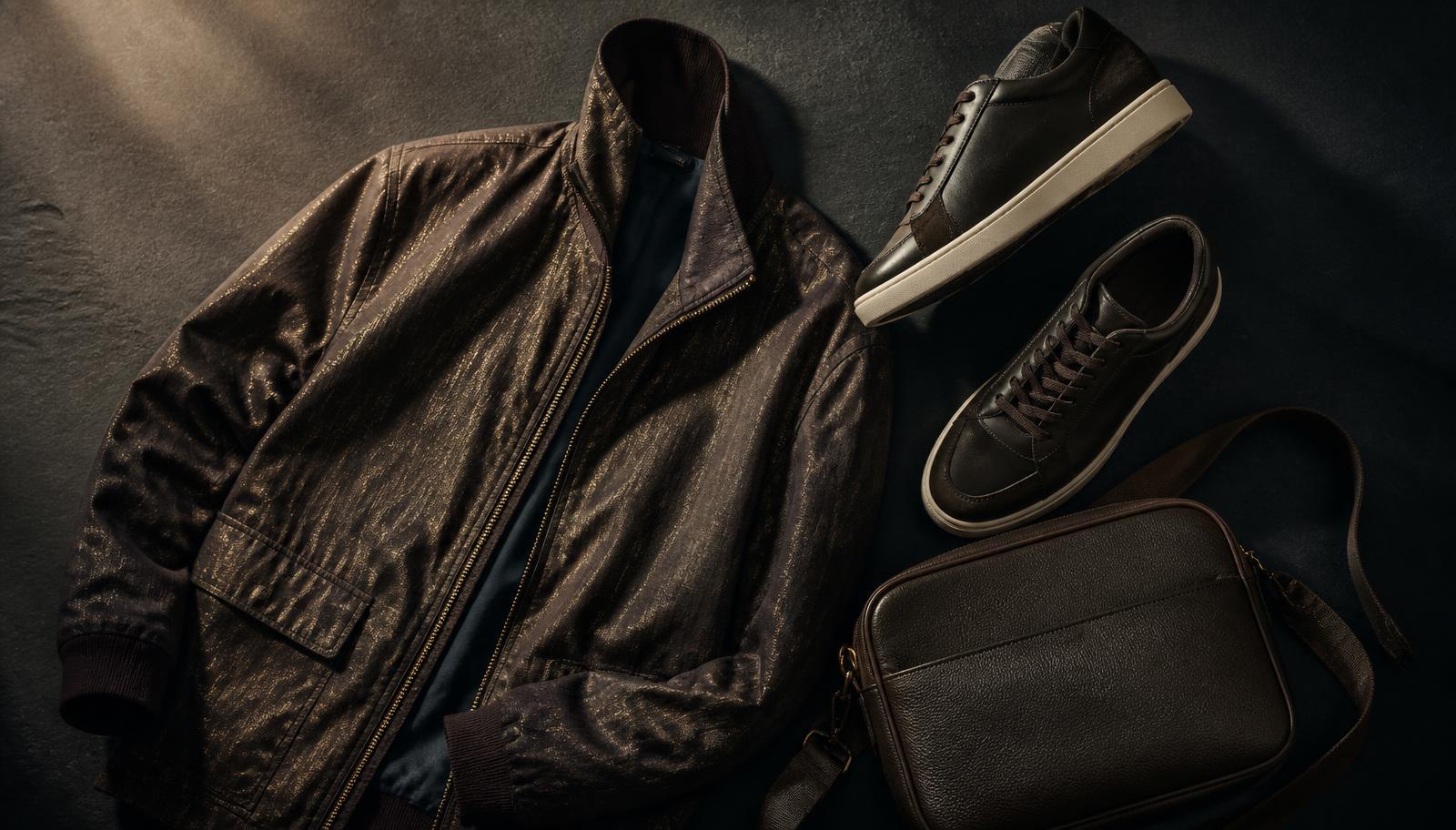
Brother Sam Yupoo: How to Browse Albums and Order Safely (2026)
A practical 2026 guide to Brother Sam Yupoo albums: how Yupoo catalogues work, how to read album codes and QC photos, how to get sizing right, and how to pay through a checkout you can verify.
If you searched for Brother Sam Yupoo, you are almost certainly at the same point most shoppers reach: you found a wall of photo albums, the pictures look good, and there is no obvious way to actually buy anything. That is not a glitch. It is how Yupoo works, and once you understand the model, the whole category becomes far less confusing.
This guide explains what a Yupoo catalogue is, how to read albums quickly, what QC photos really prove, how to avoid the sizing mistakes that cause most regrets, and how to move from browsing to a checkout you can verify. No promises about any particular seller, and no claims we cannot support — just the mechanics.
Yupoo is a photo host, not a shop
Yupoo is a Chinese image-hosting service. It was built for storing and sharing photo albums, and nothing about it was designed for e-commerce. There is no cart, no checkout page, no payment processing and no built-in buyer protection anywhere on the platform.
So when people talk about a Yupoo “store”, what they are really describing is a lookbook: a large collection of albums showing what a seller has photographed. The purchase itself always happens elsewhere — on a marketplace listing, through a checkout link, or in a messaging conversation.
Holding those two things apart in your head is the single most useful habit in this category. Browsing is free and risk-free. Paying is where judgement is required.
Why sellers keep using it
- It is fast. Photographing a batch and uploading an album takes minutes.
- It scales. One catalogue can hold thousands of albums across footwear, bags, outerwear and accessories.
- The detail is better. Buyers here care about stitching, hardware, insoles and packaging — a 30-photo album communicates that far better than a single marketplace thumbnail.
Reading an album in under two minutes
Album pages look overwhelming at first glance because there is no structure imposed on them. In practice, almost every album follows the same rough logic, and there are four things worth your attention.
1. The title and the code
Album titles are usually a mix of a model or brand word, a colourway, and a number. That number is often the seller’s internal SKU, and it is the most useful string on the page. Copy it. It lets you ask precise questions, and it helps you find the same item in other catalogues or search indexes instead of describing it in vague words.
2. Photo order — read bottom-up
Most albums start with polished catalogue shots and end with detail crops, packaging and real-light photos. The last images are usually the most honest, because they are shot under ordinary lighting rather than a colour-graded studio setup. Scroll to the bottom first and you will form a more accurate impression in half the time.
3. Detail crops
Look specifically for close-ups of stitching, logo placement, insoles, zip pulls, hardware engraving and lining. An album without detail crops is not automatically a bad sign, but it does mean you are working with less information — and that is a reason to ask questions before paying, not after.
4. What is absent
Missing size charts, no box shots, no rear or sole views. Note the gaps. Those gaps are your question list.
QC photos: what they prove and what they do not
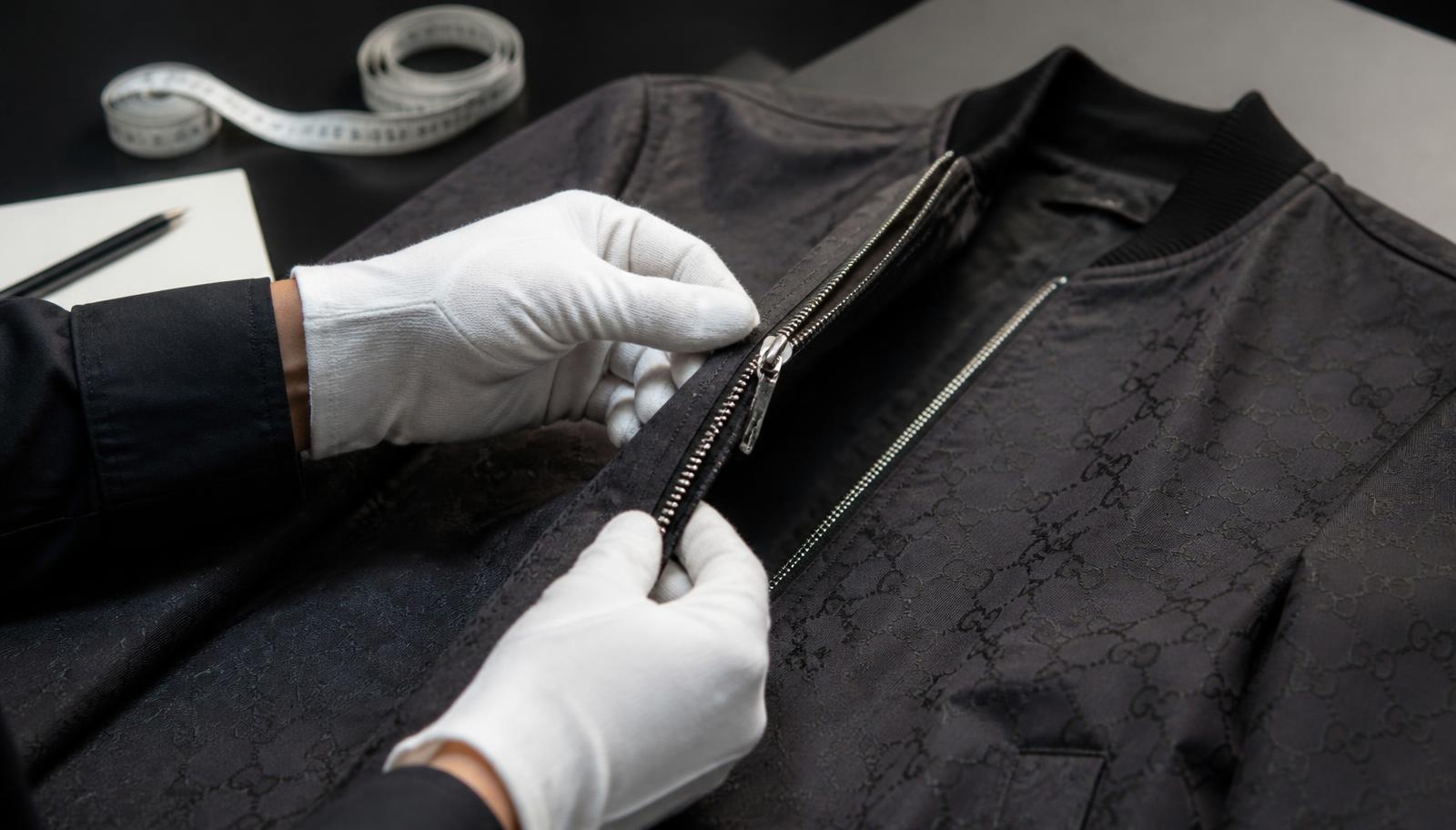
QC (quality check) photos show the exact unit that is about to be packed for you, rather than the generic catalogue images everyone sees. They are the most valuable pictures in the whole process, and they are frequently over-interpreted.
What a QC photo can genuinely show:
- Stitch density and whether seam lines run straight
- Glue residue around midsoles, linings or edges
- Logo font, spacing and embossing depth
- True colour under ordinary light
- Whether the box, dust bag, tags and extras are actually present
What it cannot show: how the material ages, how comfortable the piece is, how it breaks in, or whether the fit suits you. A photograph is a snapshot, not a durability test. Treat any claim that a photo guarantees long-term quality as marketing rather than information.
A five-point QC routine
- Compare the QC image to the album image — same colourway, same panel layout, same hardware?
- Zoom into two seams and one logo. Wandering stitch lines are the clearest tell.
- Check the insole print or inner label for smudging and misalignment.
- Count the accessories against what was advertised.
- If something looks wrong, raise it before shipping. That is the entire purpose of the QC step, and it is much harder to resolve once the parcel is in transit.
Sizing: where most orders go wrong
Sizing causes more disappointment than quality does. Asian sizing conventions frequently differ from EU and US labelling, and even within one catalogue the same nominal size can fit differently across models.
The dependable method is to ignore the size label entirely and work in centimetres:
- Measure your foot heel-to-longest-toe, standing, in the evening when your feet are slightly larger.
- Ask for the insole length in cm for the exact size you are considering — not a generic chart.
- Add 0.5–1.0 cm depending on your fit preference and sock thickness.
- Ask about width for boots and structured shoes; length alone is not enough.
For jackets, bags and clothing, request flat measurements instead: chest, shoulder, sleeve, total length, and for bags the width, height, depth and strap drop. One tape-measure photo settles more than five messages of description.
Understanding the real cost
Yupoo albums often display no price, or a price that has not been updated in months. Treat every figure you see as indicative. The delivered cost of an order generally breaks into:
- Item price
- Domestic handling or consolidation, where applicable
- International shipping, charged by weight and volume
- Payment processing
- Import duties or taxes in your own country
A total that sits dramatically below everything comparable usually means one of those lines has not been quoted yet. Ask for the full delivered cost in writing before agreeing to anything, and expect shipping to be a meaningful share of it for bulky items like boots and outerwear.
Ordering safely: the part that matters
One rule removes most of the risk from this entire category: browse in the catalogue, but pay somewhere you can verify.
A verifiable checkout has concrete, checkable properties. It shows a real product page with the item, price and shipping stated before you pay. It runs the payment through a recognised processor rather than a personal transfer. It produces an order record you can reference later. And it issues a tracking number that resolves on the carrier’s own website, not just in a screenshot.
Signals worth walking away from
- Pressure to pay by direct bank transfer, gift card or crypto with no order page attached
- No confirmation of any kind after payment
- Refusal to provide tracking, or a number that never updates
- A price that changes after you have already agreed to it
- Manufactured urgency — “last pair, pay within ten minutes”
None of these are sophisticated. They are the ordinary warning signs you would apply to any purchase from an unfamiliar source, and they work just as well here.

A workflow that actually saves time
- Shortlist three to five albums and copy their codes into a note.
- Read each album bottom-up so you see real-light photos before studio shots.
- Write your questions once: insole in cm, flat measurements, box contents, all-in price.
- Move to a verifiable checkout rather than paying inside a chat thread.
- Request QC photos and genuinely inspect them instead of glancing.
- Confirm tracking and keep the order record until the parcel arrives and has been checked.
Six steps. They eliminate the majority of the bad outcomes people describe when a Yupoo order goes wrong, and they cost you perhaps ten extra minutes.
Where this site fits in
We maintain a searchable catalogue of product links so browsing and buying are not two disconnected worlds. You can search by keyword, browse by category, or upload a photo and let image search surface visually similar items from our index. Every listing points to a checkout page you can inspect before paying.
If you are starting from an album you found interesting, the quickest route is to take a clear photo from it and run it through image search on the homepage, then compare what comes back. More guides on reading albums, sizing and shipping live on the blog.
Frequently asked questions
Is Brother Sam Yupoo an online store?
No. Yupoo is an image-hosting platform, so any catalogue hosted there functions as a photo album rather than a shop. There is no cart or checkout on Yupoo itself, and ordering always happens through a separate link or conversation.
Why do some albums show no price?
Yupoo was never designed to display pricing. Some sellers put an approximate figure in the album title, many leave it out because prices move. Always confirm the current all-in cost before paying.
Should I wait for QC photos?
Yes. They are the only images showing the specific unit you will receive, and a short wait buys you the chance to flag a problem before the parcel ships rather than after it arrives.
How do I stop ordering the wrong size?
Work in centimetres rather than size labels. Measure your foot, ask for the insole length of the exact size, and allow 0.5–1.0 cm of room. For clothing and bags, ask for flat measurements instead of a size name.
Which payment method is safest?
Any method that runs through a recognised payment processor attached to a real order page. Avoid direct personal transfers with no order record, because there is nothing to reference if something goes wrong.
How long does shipping take?
It varies widely by route, carrier and customs handling. Instead of relying on a general estimate, ask for the shipping method by name and a tracking number, then follow it on the carrier’s own site.
Can I find the same item without the album?
Often, yes. The album code and a clear product photo are usually enough to locate a comparable listing through keyword or image search.
Final thought
Yupoo catalogues are a genuinely good browsing tool — the photographic detail beats most marketplace listings. Risk never comes from looking at albums; it comes from paying without an order record. Keep browsing and paying separate, insist on measurements and QC photos, and this becomes ordinary online shopping with better pictures.
Ready to look? Start with a keyword or a photo on the homepage, or read more guides on the blog.